The Generative Core
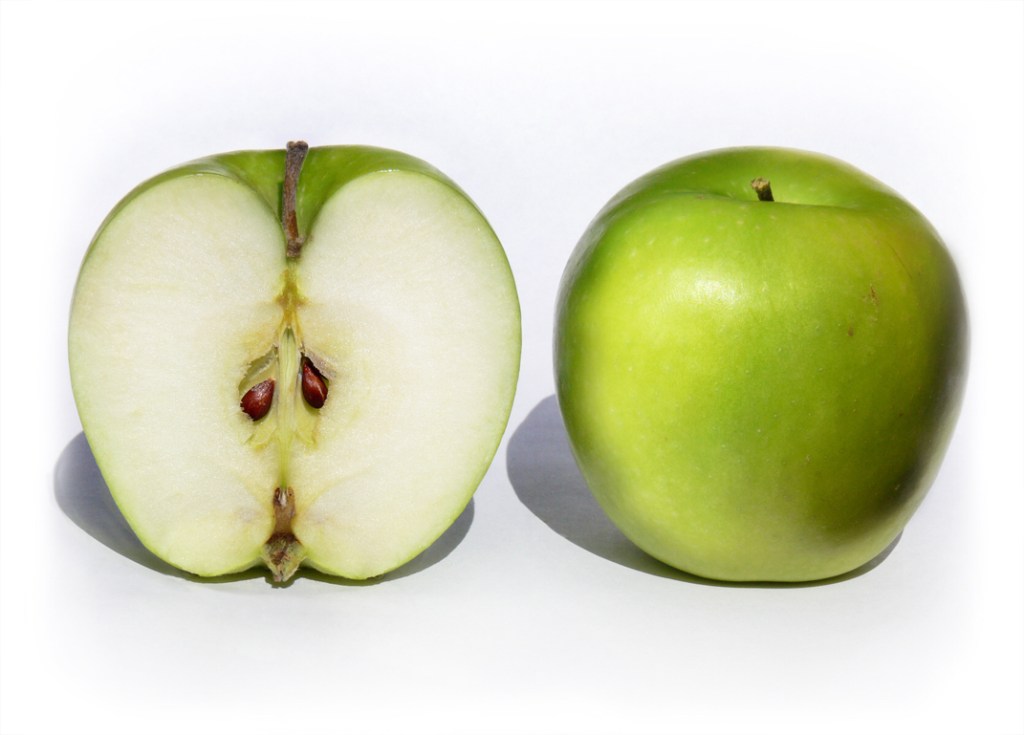
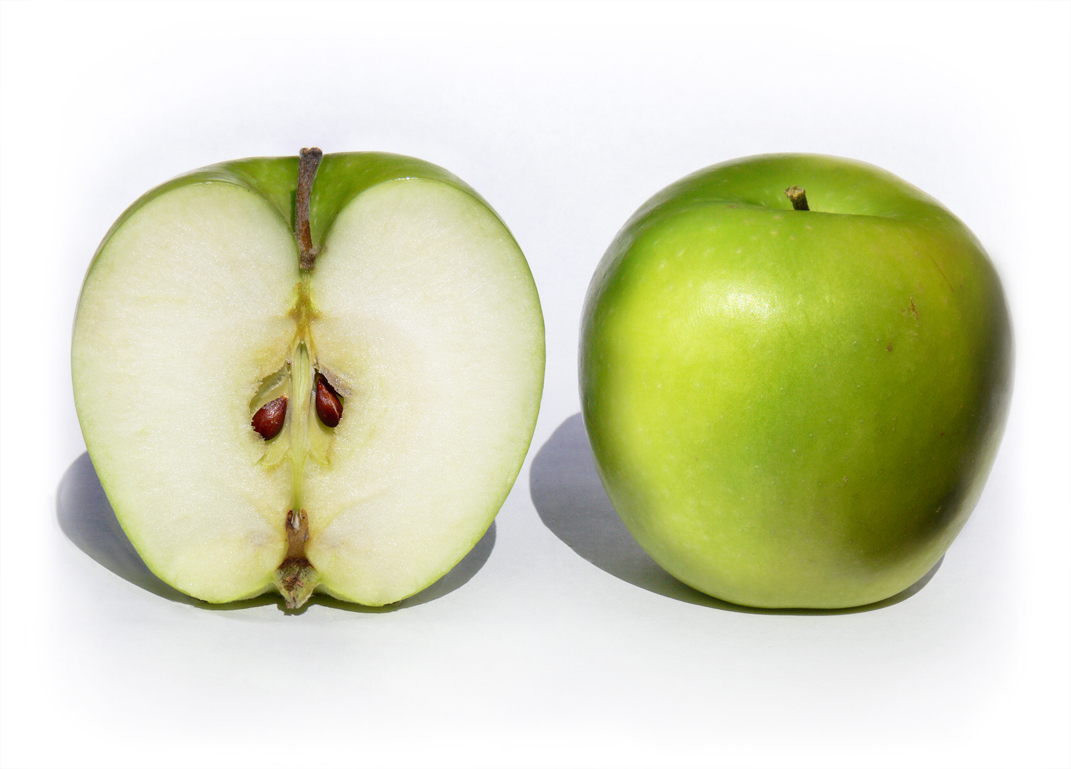
The generative core is a characteristic shared by all living organisms and is a part of the perceptual model of life. While everything including inanimate matter, from a rock to a river or even a pair of pants and a tuba, all have an outside and an inside, only complex living systems possess a generative core. Think of an apple cut in half. There is an outside called the skin and an inside called the flesh. Beneath that is the core which contains the seeds. The core emerges to the surface at either end in what is called the stem and calyx.
The idea of a generative core includes both the self organizing and self reproducing elements of the system. In living organisms with nervous system systems like vertebrates the idea of a generative core becomes quite important. The deep generative core possesses a form of intelligence, a form of pure physical homeostasis in the axial body, as well as a powerful cognitive integrator or “transformer architecture” in the cerebellum in the brain.
This form of intelligence is hidden from the chaotic influences of the outside world and so functions to preserve stability, balance, and integration. Although it is hidden from the outside world it is not hidden from us and includes a major node or organ of the brain called the cerebellum, which we activate when we engage in integrative activities like yoga, mindfulness practices, meditation, and the movement arts.
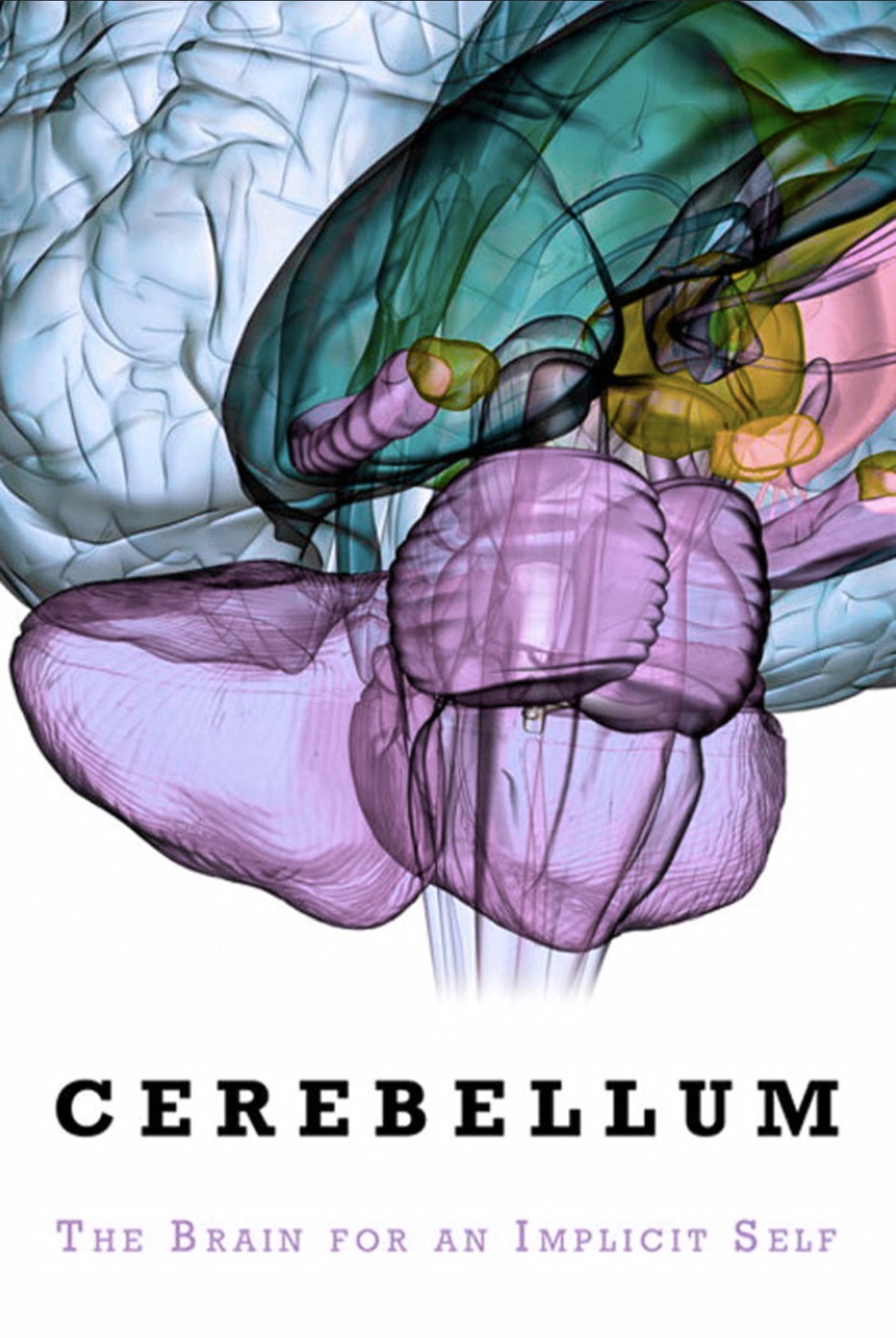
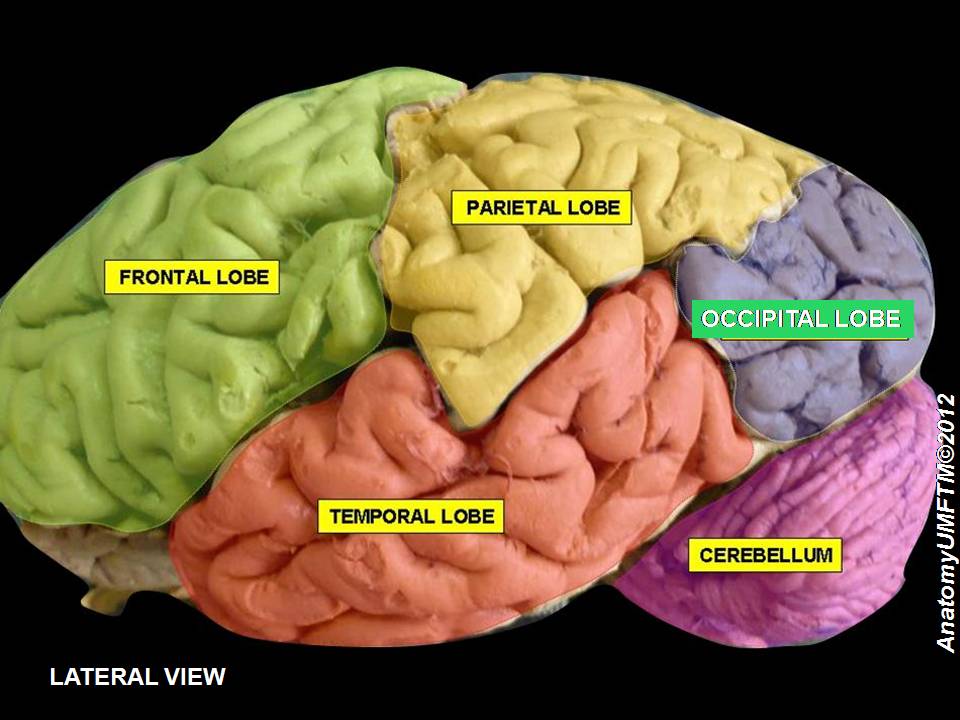
The cerebellum is a massive part of the brain called the hindbrain. It is separated from the rest of the brain above it by the same sort of leathery material that divides the two hemispheres, called in this case a “tentorium”. The cerebellum is not only quite isolated from the rest of the brain but has a very distinctive and regular structure resulting in a single or universal function as the coordinative and regulatory core of the brain. The cerebellum is a powerful and distinct organ of the brain and actually contains 3.6 times as many neurons as the rest of the brain combined.
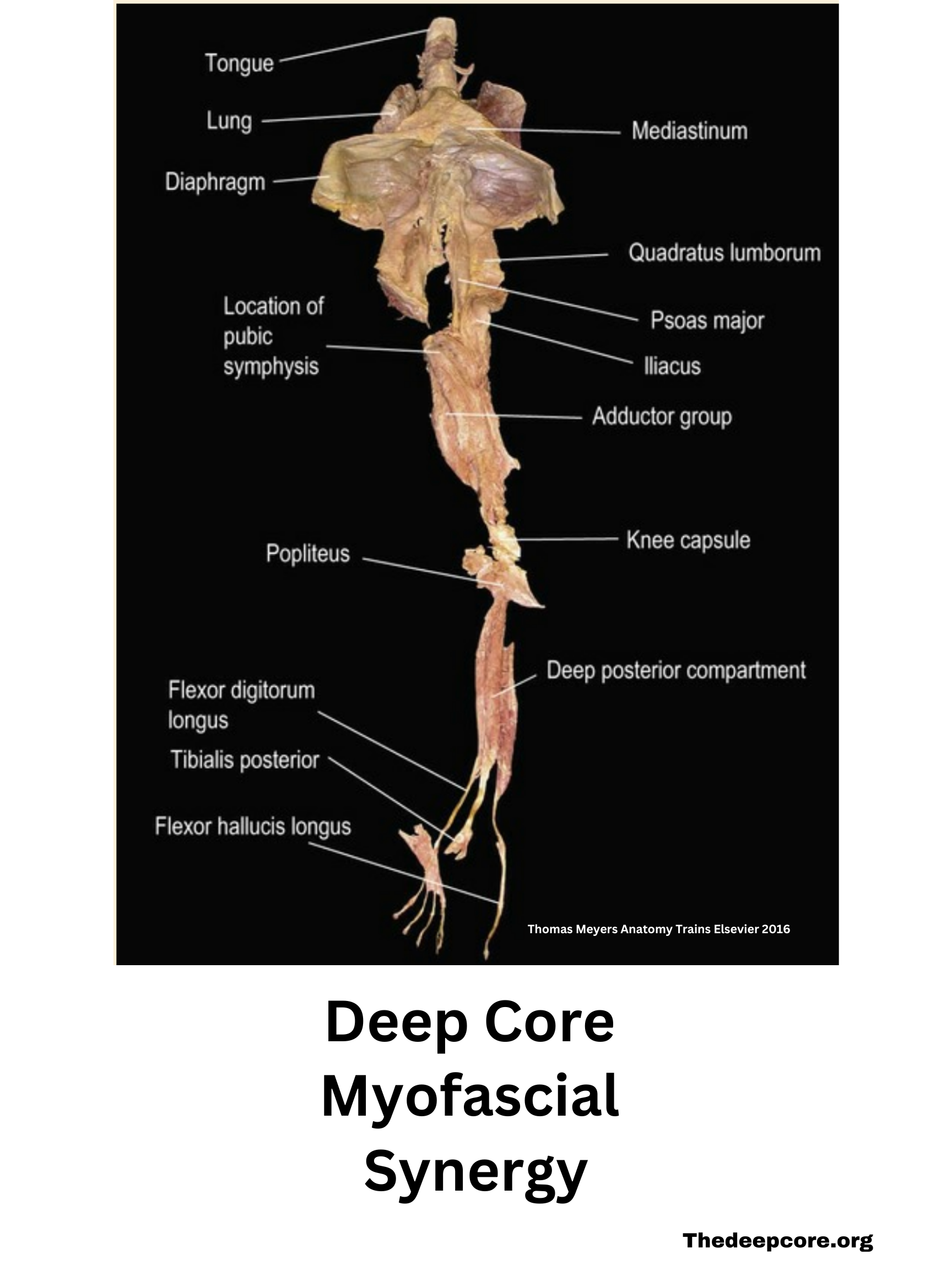
The core of the vertebrate body is its postural system, and this system also called the tonic functional system by structural bodyworkers like myself. It is always functioning within us to hold us together and maintain tone or poise so that we are ready for action and adaptive response responses to the challenges we face.
While the physical part of the core provides us with physical homeostasis, or posture and coordination, the neurological part of the core in the spinal cord and the cerebellum facilitate things like instinct, intuition, pattern recognition and, importantly, Consilience. The function of the cerebellum is to provide coherence and resonance for the rest of the brain. By activating the “cerebellar transform” we enhance our cognitive abilities not with more intellect but with more holistic insight. This is what we need in order to deal with the complex challenges we are facing today.
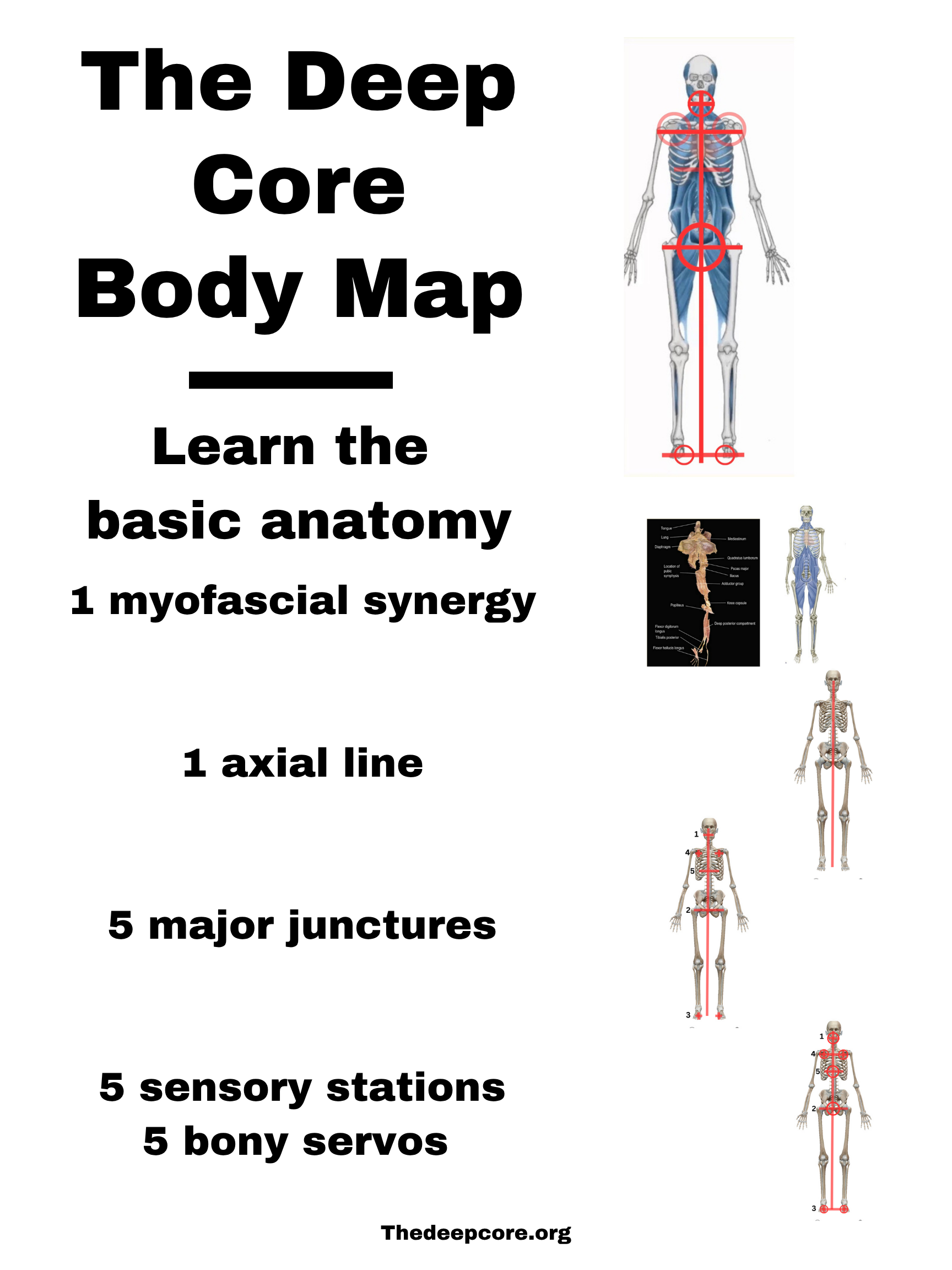
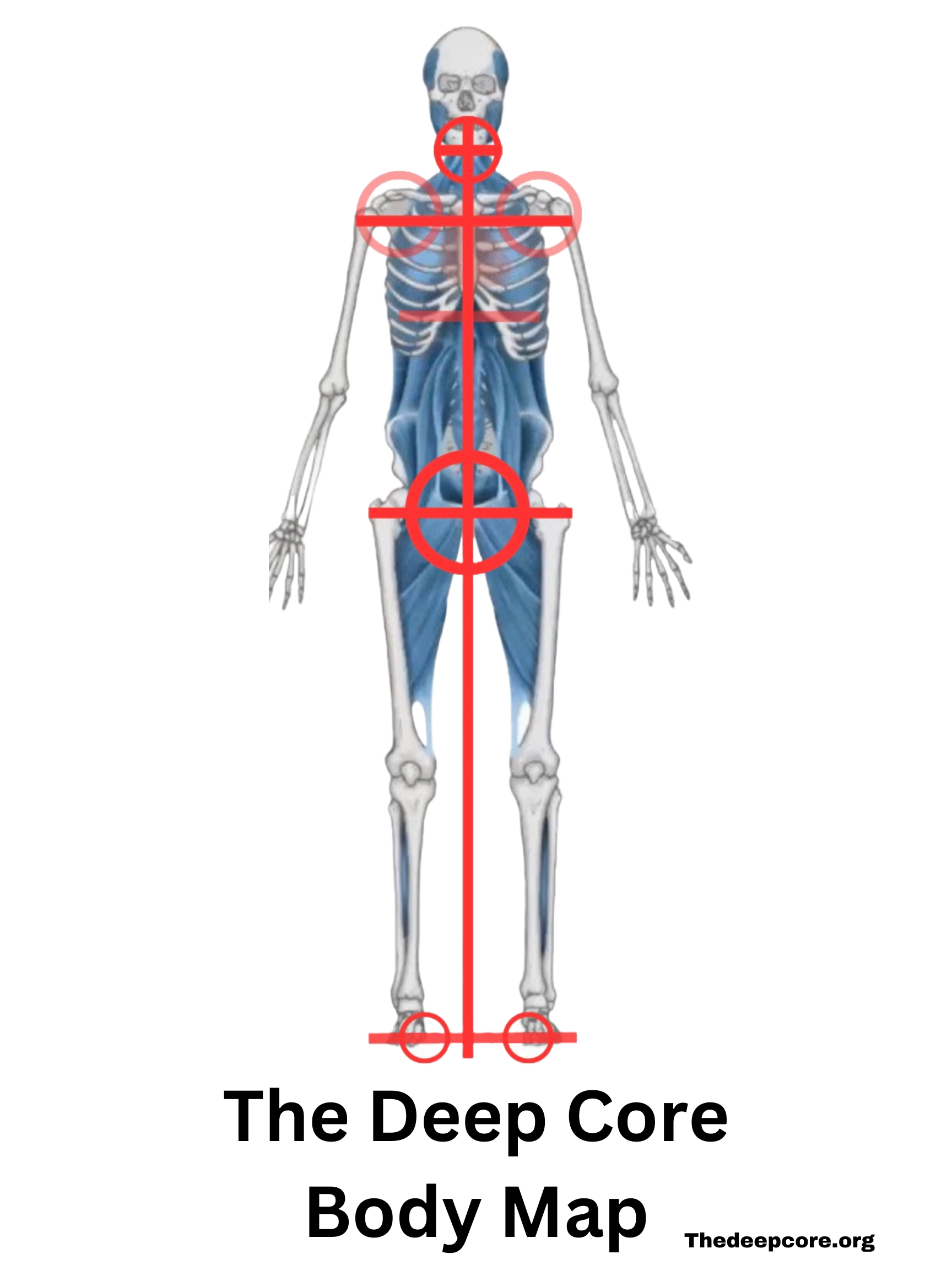
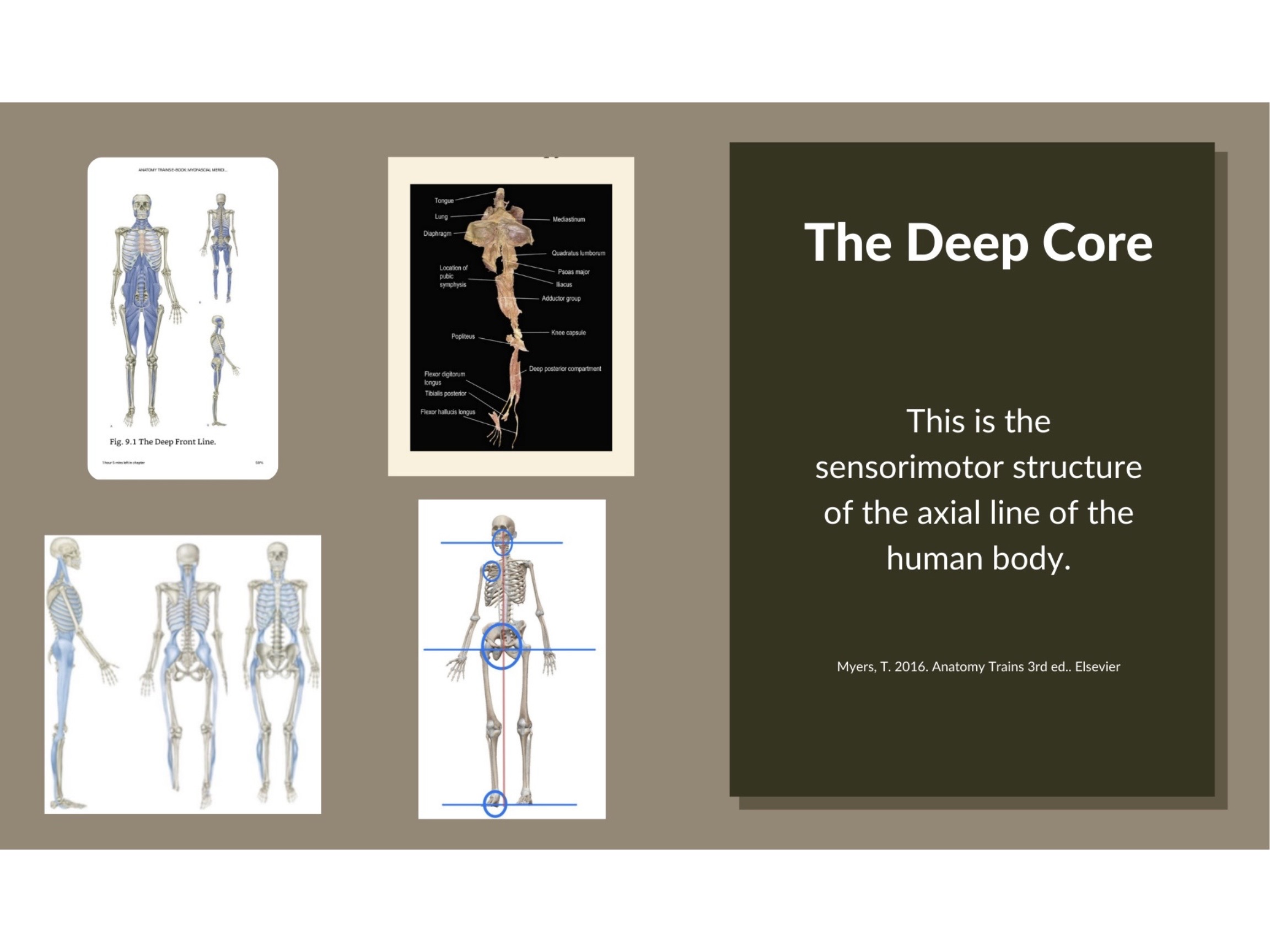
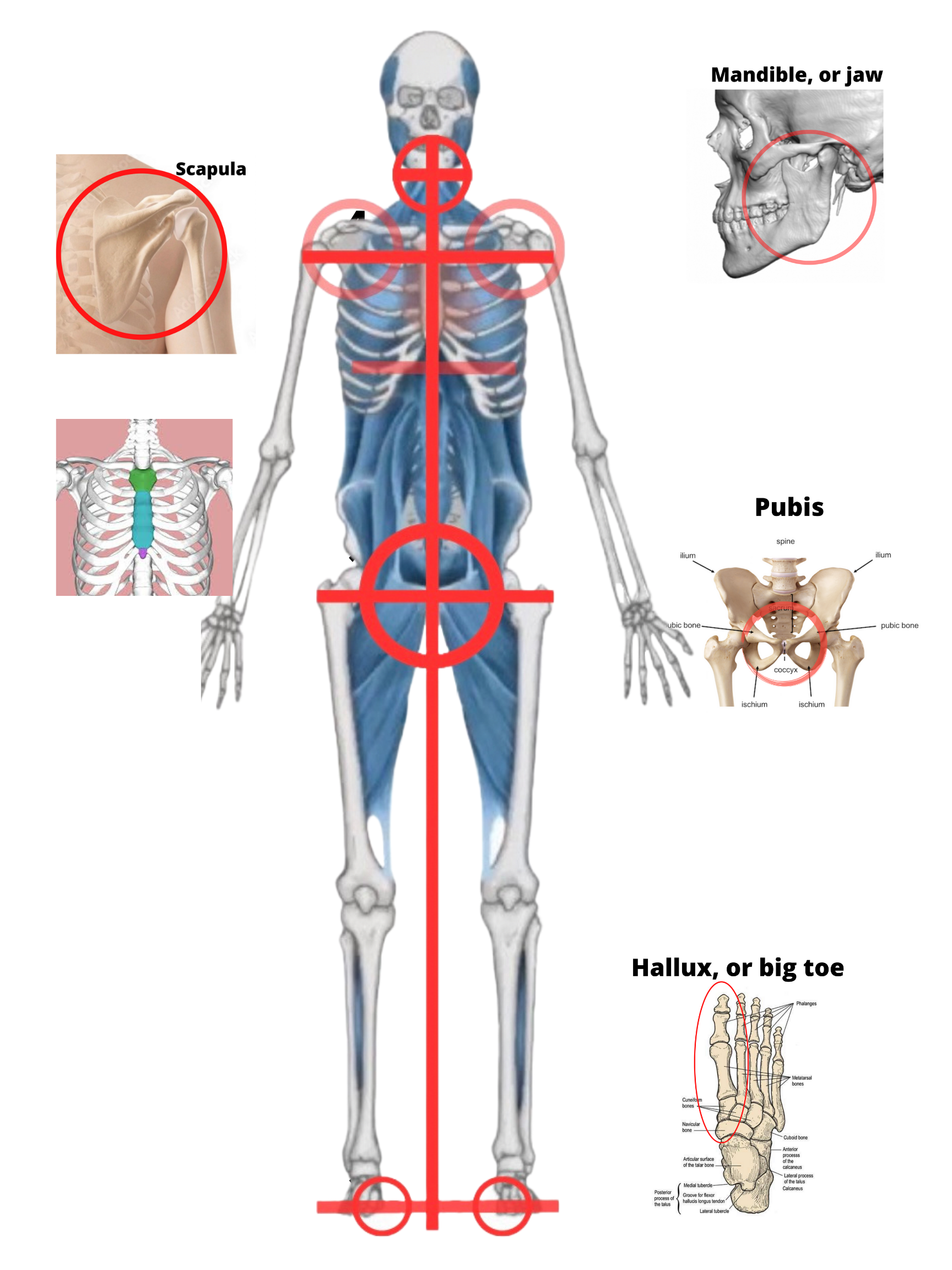
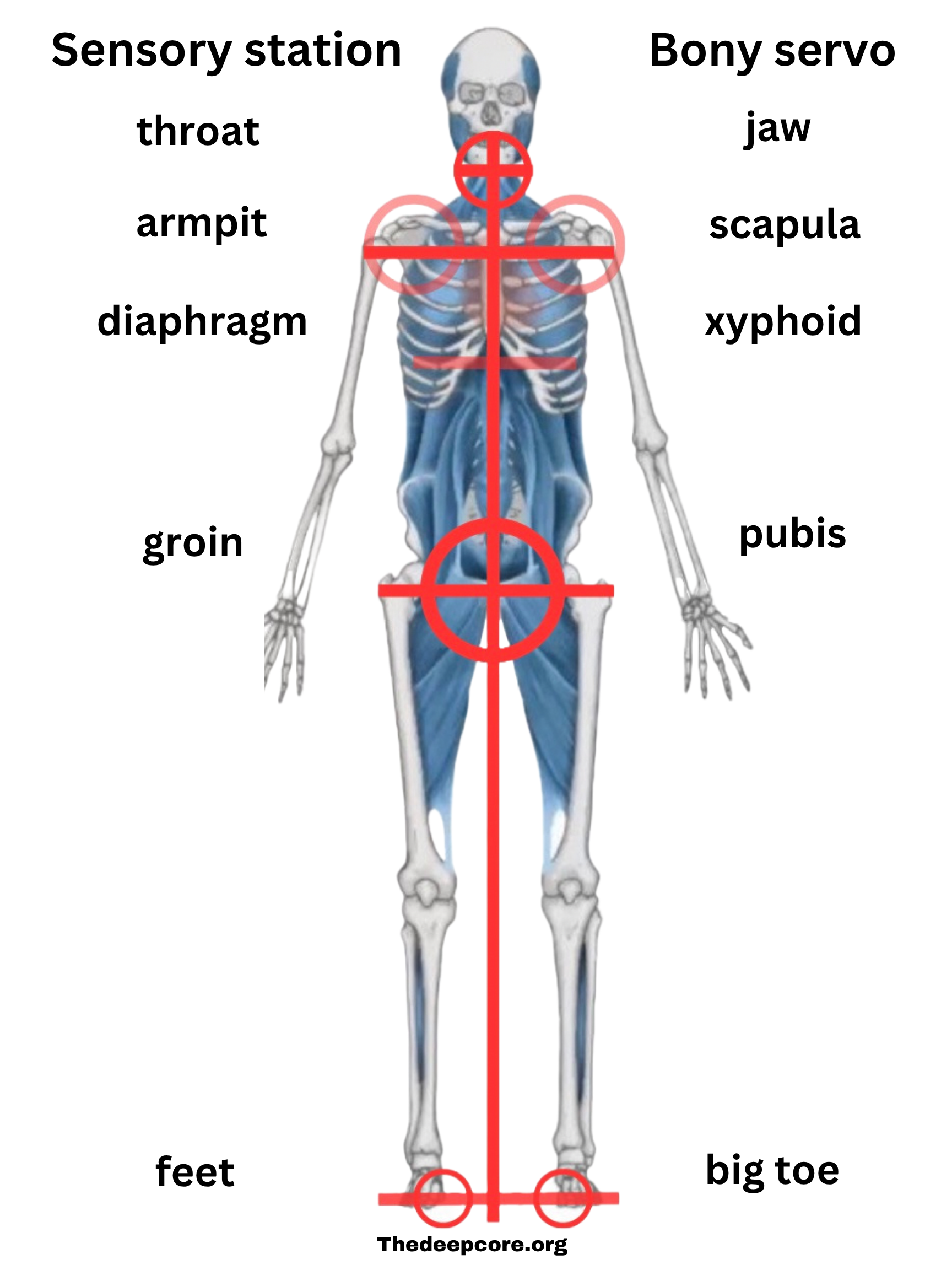
We activate the cerebral transform through embodied, mindful training and practices that are simple and intuitive. I teach the bony landmarks of the deep core axial system for this purpose. We pay attention to the deep generative core through the major pits, concavities or “attractors” of the body, located on its axial line. At the center of each one of these pits or concavities is a major prominent and central bone that organizes the system of other bones and muscles, nerves and connective tissue, and a variety of sensitive organs and tissues, that are arrayed around it.
We know ourselves in the same areas of the body that we traditionally attempt to hide and even experience as shameful, like the groin or the armpits. The generative core emerges to the surface in these locations, at either end of the spine, in the feet on the Earth, and in the armpits where the arms attached to the rest of the body. Like the cerebellum and the core itself these areas are hidden and protected from the outside world as much as possible. But that does not mean they’re supposed to be hidden from ourselves and from our own understanding of ourselves and the world around us.
Self attention and a cerebellar like transform is at the heart of the recent breakthrough in large language model AI architecture. This is called biomimesis and is an example of the way in which the technology of complex automated systems imitate life. We are not machines however and no one needed to invent this system: it already is fully active within us. But like large language models to some extent we also need to train this awareness and make a shift from the old sequential practices of the rational mind to the new Consilient, holistic or intuitive practices of the integrated mind.
Self attention in living organisms occurs in the generative core and it is here that we know ourselves. This form of self awareness, in the deep field, is what generates insight and intuition, and coordinates the different stimuli we experience (and attempt to process rationally in the cerebrum, or “forebrain”) as we confront this rather crazy world we have built around ourselves.
Self attention and transformer architecture is what allowed artificial intelligence to make a huge shift in efficiency, from sequential analysis of individual words to a more holistic approach that recognizes the importance of context. Similarly self attention or self-awareness in the generative core, a property called metastability, produces a phase shift in the oscillations of the brain— specifically within the cerebellum, or hindbrain. We can call this a form of “biomechanical or tonic enlightenment” and identify it as a cognitive form of integration or Consilience. Consilience is a 19th century concept used to describe the different major syntheses (like Darwin’sevolutionary theory or Maxwell’s electromagnetic theory etc.) that were occurring in science at the time. It literally means an “aha moment” or the “jumping together” of disperate and seemingly unrelated facts to reveal a deeper, emergent truth. This emergent form of awareness originates not in the rational, explicit forebrain on the surface but in the intuitive, implicit hindbrain located in the deep generative core.
A grand synthesis is emerging today well over a century later, but in order to understand it we need more than the powers of the intellect and reason located in the forebrain. We need the deeply integrative animal wisdom located in the generative core, and the the hindbrain, before we can fully grasp our place in the natural order of life.
The idea that we possess a generative core is a powerful one. It means that we have another form of self-awareness located deep within us. This kind of awareness is distinct and separate from the conventional awareness we identify with the senses of sight and taste and touch and smell and hearing. This form of deep core awareness is called the muscle sense, proprioception, or self-awareness. It is a haptic perceptual system— meaning it is a form of inner self touch, involving not just our core vertebral muscles and bones but the the highly sensitive matrix of our fascial system (our inner skin) and an abundance of the unique sensory organs of proprioceptive self awareness called muscle spindles. The spinal cord and the cerebellum are the energetic or neurological components of the system. We can say that this deep generative core altogether contains a far greater intelligence, in its own way, than the rest of the brain and the body that we rely upon but which is falling short (and despite its analytical skill in taking things apart) is not allowing us the wisdom we need to deal with the challenges we are facing.
It is a different part of our being than the surface system (callled exteroception) by which we usually identify ourselves and the world around us. The generative core takes us into the wisdom of the deep field, which we all possess in abundance. It is not a difficult challenge available only to mastery by scholars and elites. It is a form of pre-verbal, implicit intelligence that we see best in animals and children. We all can access and activate and develop and find ourselves within this deep inner system. We already do it intuitively and instinctively. But by understanding it explicitly and by activating it consciously we can balance the scales and find the resources we need to respond to the challenges that we face together today in the Anthropocene.
 .
. .
.  .
. 
 Three Bones Theory
Leave a Reply