
A Pressing Theoretical Question for Biotensegrity
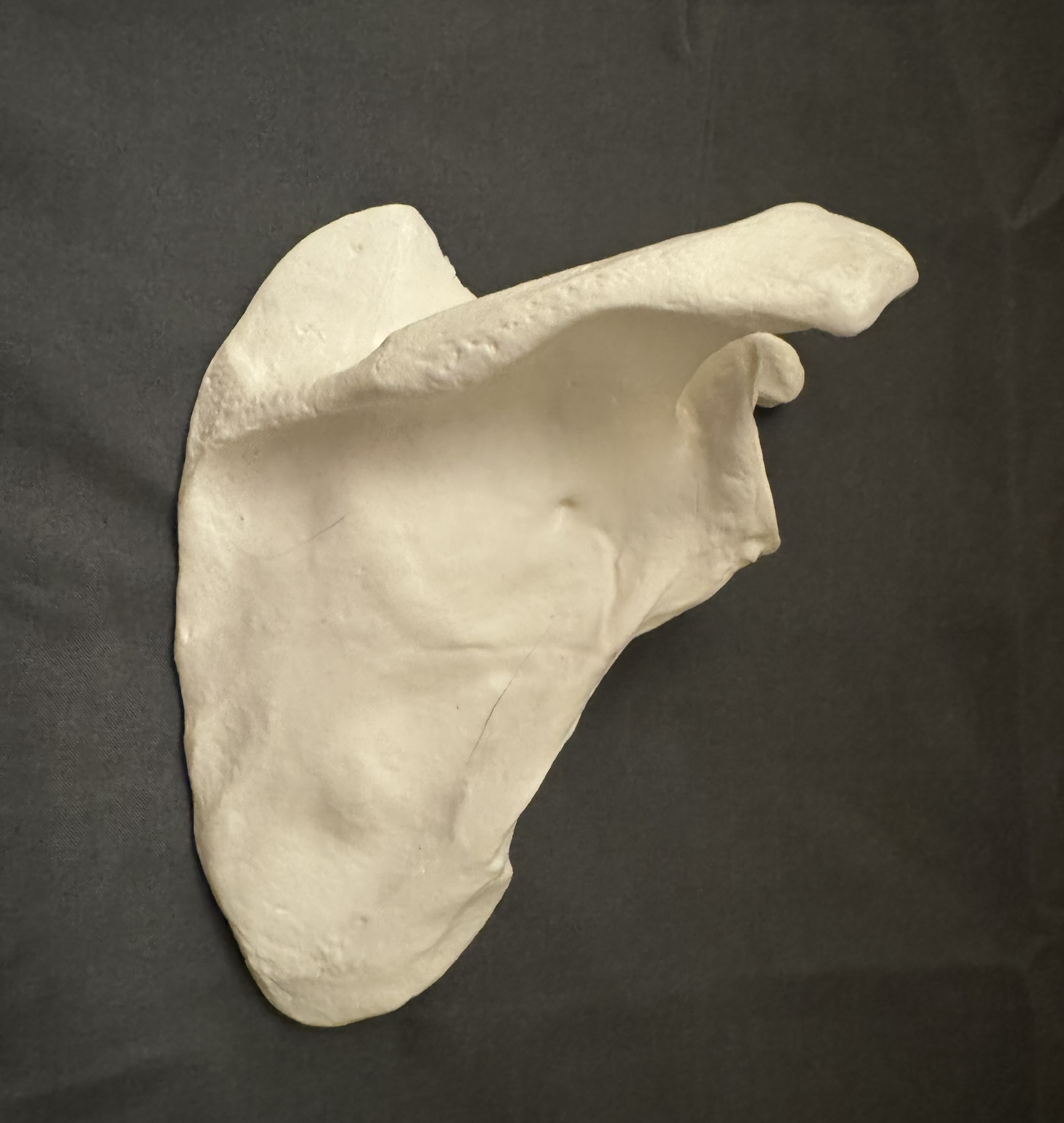
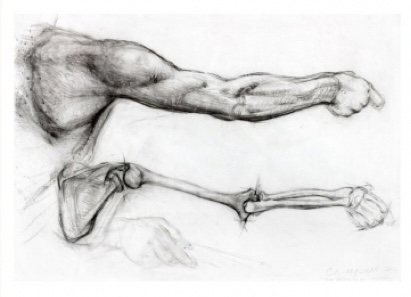
If from the perspective of biotensegrity the scapula is sesamoid bone, does this make it more special or less special? If we say that from the perspective of a biotensegrity structure all bones are sesamoid bones, does this make them more meaningful or less meaningful? A sesamoid bone is small, non-descript, and passively floats in soft tissue. From a tensegrity perspective we clearly want to say that an individual bone has to be seen in the context of a tightly integrated and purposeful organic structure. And we want to say that a bone is not a brick; the spine is not a column. But the problem is that is sesamoid bone looks a lot more like a brick than does the scapula, which is highly differentiated and sits at the hub of an array of muscles, bones (including the humorous, the clavicle, and the ribs) as well as many other tissues. Rather than a passive hub or sesamoid bone the scapula might be best grasped as a kind of servomechanism, an active grip or handle that is built into the system with a rich haptic feedback and feed forward function. An active and meaningful foundation for the rest of the arm.



 Three Bones Theory
Leave a Reply