In life, we all want to do the best that we can. Many of us have quite high aspirations. But look around you. This is not the best we can do. A shift in perspective is needed and there is ample evidence that it is slowly percolating up from below.
The shift in perspective is not like a mental choice we need to make. It is not because we are too ignorant, weak or selfish. It starts with a handful of bones.
The shift is more of an organic result of better coordination. An empowerment. This is called a phase transition in neurophysics and is the result of a new level of metastability, the organic functional integration of multiple systems. For us, it is biopsychosocial and environmental. It starts with the coordination dynamics of the human body itself. Our coordination dynamics are natural and instinctual, but the science of the anatomy isn’t. Three bones theory describes this simple anatomy. It must be simple because children and animals do it without training or language.
This is a choice you can make–whether to know yourself or not. Biomechanical Enlightenment is simple and natural and is based on very simple anatomy. It is not a mental phenomenon. It has but does not require an intellectual superstructure. It is constituted by the perceptions and actions of your body. The point is whether they are meaningful to you or not.
The basic anatomy of biomechanical enlightenment, Three Bones Theory, is a very simple and useful tool. When we understand these prominent and central bones as part of a meaningful bodywide system, the bones behave like a sensory motor koan. The meanings that are formed belong entirely to you and to the world you live in. This is the beauty of it. There are endless possibilities for meaning because these are the meaning making parts of our bodies.

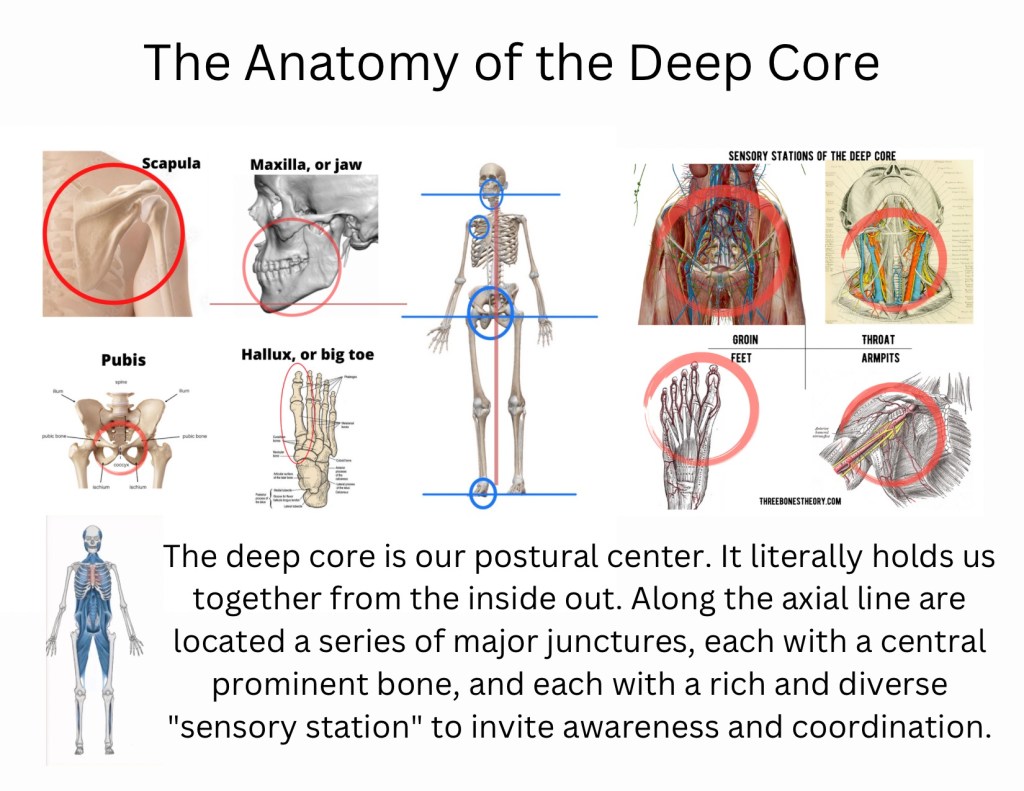
You need to be able to name something before you can properly pay attention to it. These four sensory stations and their body map are cues for self awareness. These sensory stations are rich interoceptive landmarks in a body wide system, awareness of which is of the whole. Awareness of the whole is what generates the phase transition and reflects you back to yourself. When you grasp this whole through the connected and synergistic energy of the living system, your own body, you experience a new level of self awareness. This isn’t magical but it is by definition stabilizing, centering, and reassuring.

How you describe it and what you name it, how it emerges, and how it functions, all of this is profoundly unique to you. Three bones theory is simply a standard anatomical description of a structure that we all possess. What is new about it is perhaps only that we now have the ability to grasp it easily with scientific clarity.
What you will be learning is very simple gross anatomy. It really should speak for itself. The truth is self evident and you will decide for yourself what the structure means for you. I hope that you will find that it is very meaningful because it is a very important part of us on many levels. It is our core.
The myofacial anatomy of the deep core runs down the front of the spine and through the hips— from the tongue to the big toe. It is a single highly sensitive myofascial continuity. Many parts of it are naturally far too profound and hidden for us to maintain conscious awareness of, but the system emerges to the surface, at each end of the spine, where the body meets the ground in the feet, and where the arm attaches to the body, in the armpit. These are all sensory stations of the system and they invite rich and diverse awareness.
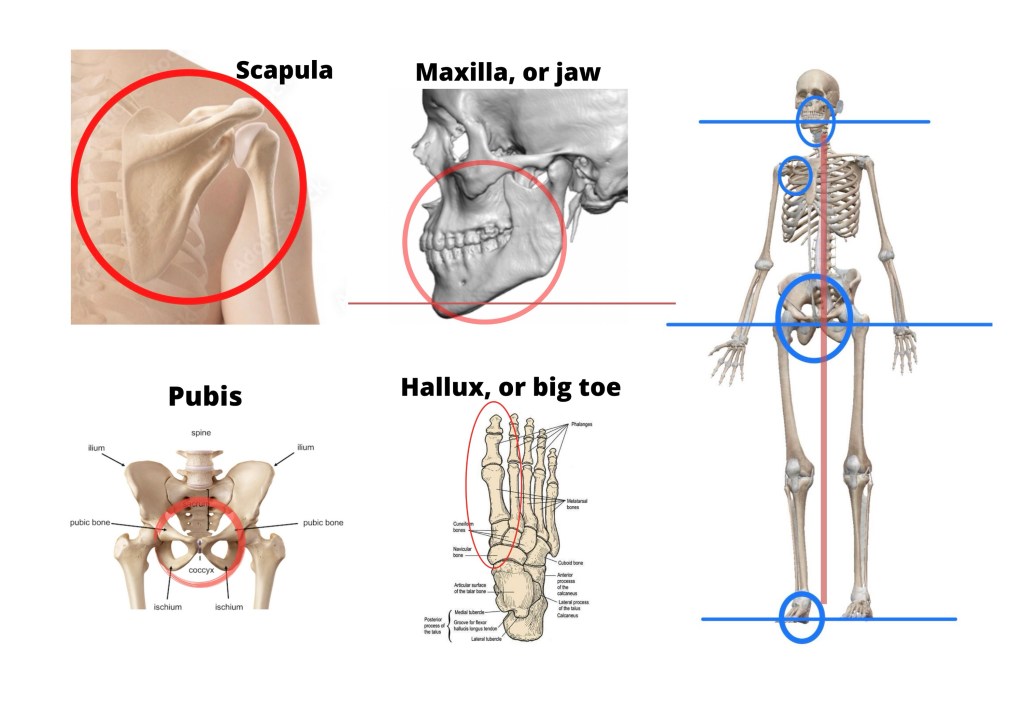
At the center of each sensory station is a major bone or simple bony structure that acts like a handle, a grip, or a servo mechanism. This bone both senses and organizes the arrays of muscles, bones and other tissues connected to it. Each bone in this system is like a sensitive servomechanism or lever that plays an active coordinative role in our bodywide postural structure. This is how the body organizes itself and we are meant to participate in that with full awareness.
The relationship between the mind and the body is that of a rider and a horse, except that we are both the rider and the horse.
These are the primary anatomical foci for our attentiveness. This new form of attentiveness has the characteristic of awareness of the whole. The phase transition that should result in the brain we can reasonably speculate might have a measurable effect on right hemispheric activity. Visual and auditory information shapes our awareness and decision-making but is easily co-opted by left hemispheric dominance. Interoception should do the same; it should be simple, powerful and natural, but we can expect it should have a right hemispheric and intrinsically balancing bias.
That is interesting speculation for this world of words and thinking but all of that is really an afterthought once we relearn how to breathe and feel this way. It is not necessary for anyone to worry about the profound theoretical indications but let me invite you to join me in some of it anyways. But first let’s dance.

These bones are direct, concrete, and palpable. They actively welcome our attention. The names of a handful of major bones of the central structural junctures and sensory stations of our body is all you need to know. The rest is mostly just perception and movement.

The function of each bone is straightforward. They resemble handles or grips. An infinite complexity of expression can come out of the tip of a simple paintbrush or a pen, but what is important to us is the handle that we hold onto.
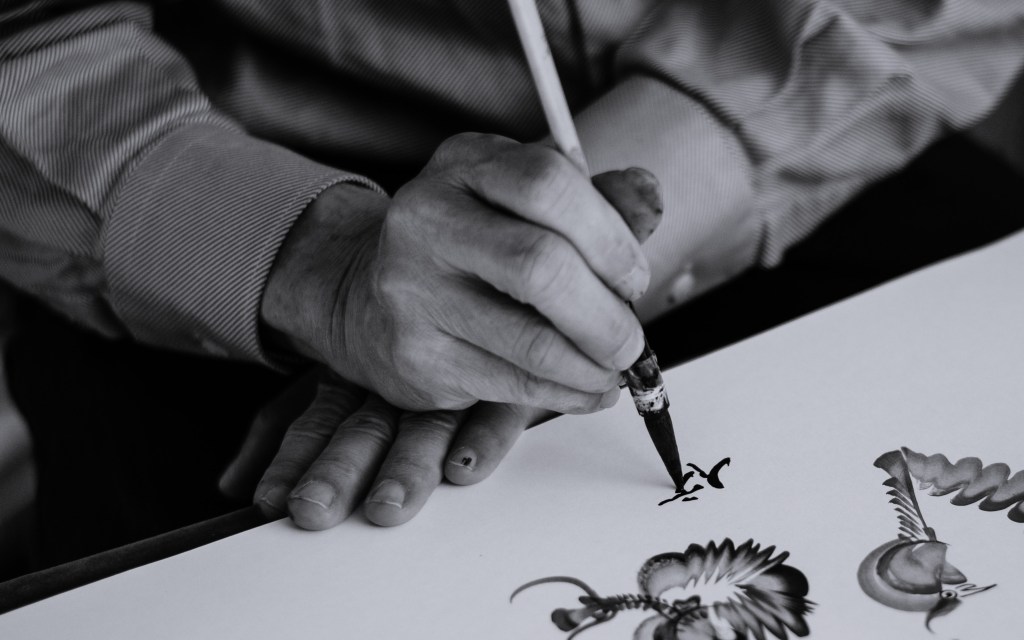
These bones are those handles. The complexity and beauty that emerges is a function of the body in its relationship with its inner and outer environment. In a very real sense, our job is to just hold on for the ride, to get a grip. This at least is how we do that. A handful of bones.
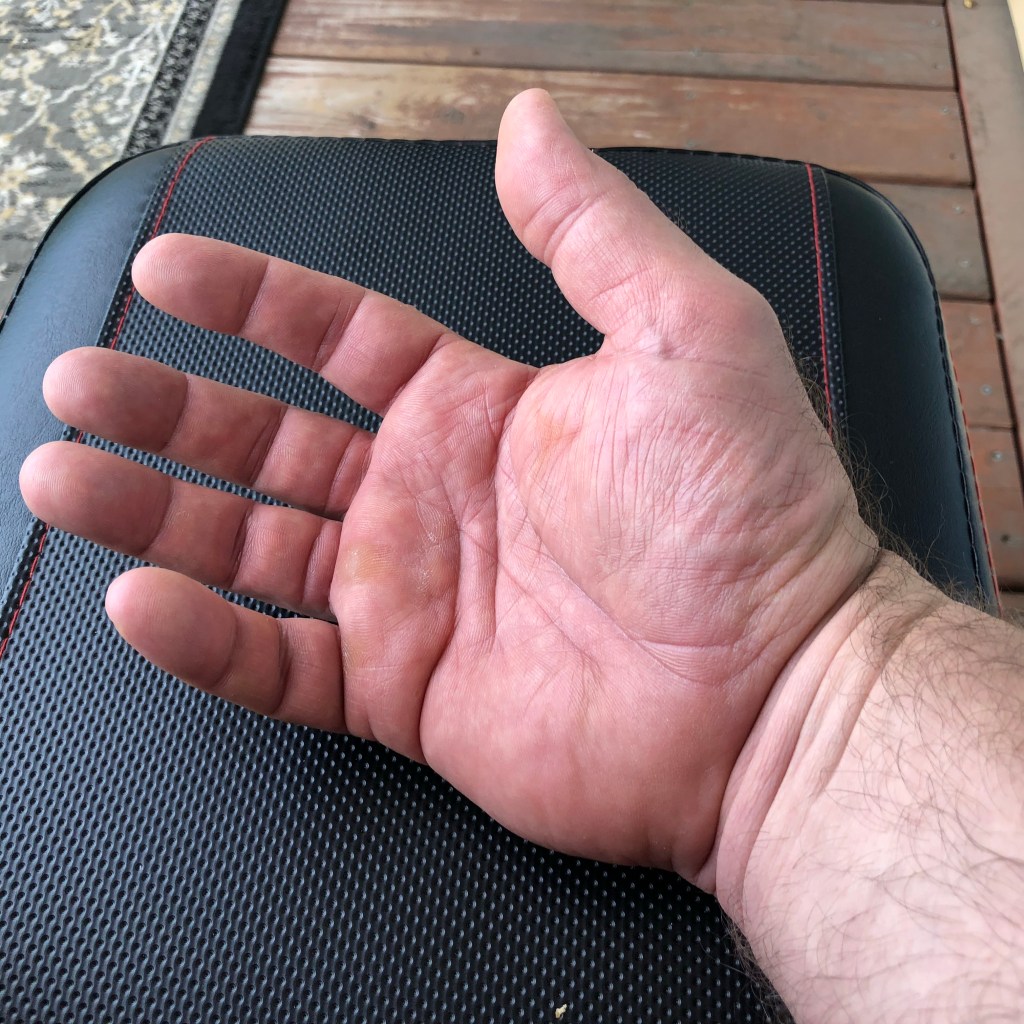
This new cognitive shift that I am calling biomechanical enlightenment can be as easy or as difficult as you wish to make it. This is because there is no shortage of richness and complexity inside of you. But it is up to you to make it happen inside yourself first, and this is how to get started.
A handful of bones.
I want to teach you about just a handful of bones. They are easy to remember It will not be too difficult.
They are what is already within you supporting you as your central postural system, the axial line, the deep core. This is a simple body map. A simple system. It is pretty easy to understand But it is not visual and mental. It is vital and interoceptive.
And so let’s dance.
 Three Bones Theory
Leave a Reply